

- Dette innlegget er også tilgjengelig på norsk.
Ukraine’s defenders depend on mobility to survive and carry out their missions. Across the front, ATVs have become indispensable for evacuation, resupply, reconnaissance, and rapid movement in terrain where ordinary vehicles cannot operate. Fritt Ukraina has already delivered a substantial number of ATVs to frontline units, but the need continues to grow.
We are in the Sumy region, just a few dozen kilometres from the front. It’s dark. We stand in a circle – volunteers from Fritt Ukraina and the soldiers from the unit we visit. We are several hours late after getting stuck in the mud with our vehicles. The soldiers are glad to see us. Very few foreigners venture to eastern Ukraine anymore. We go all the way in, carrying life-saving supplies.
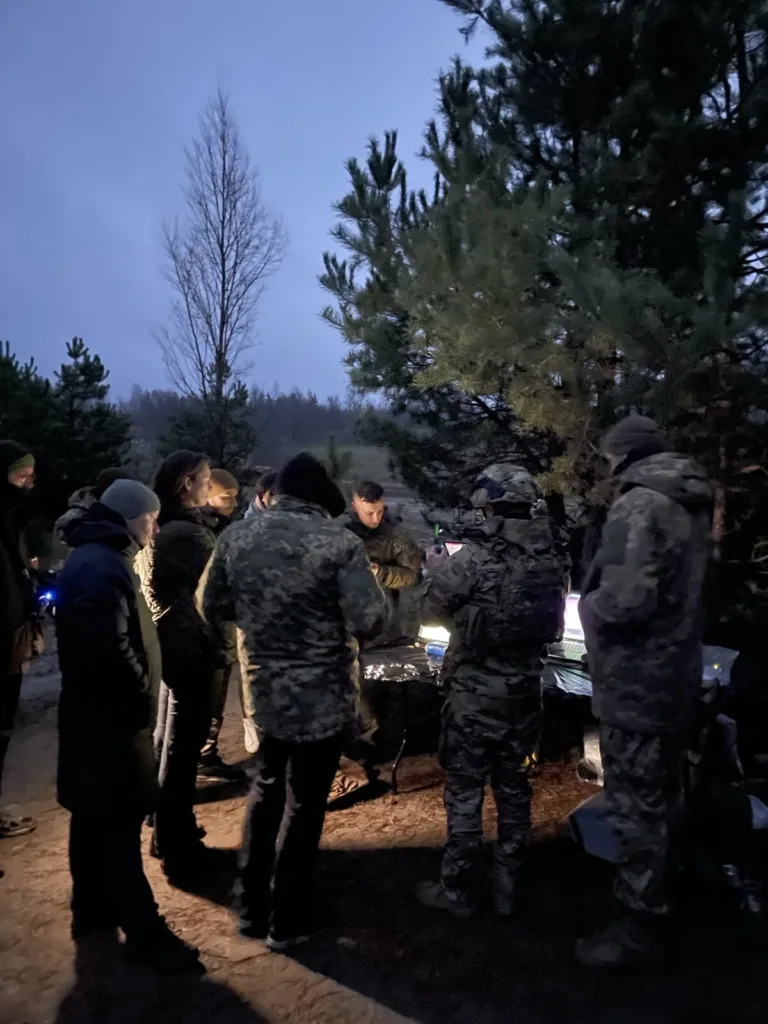
The situation is critical, and the need is immense. We maintain close contact with the units to ensure that what we deliver reaches them and is put into use immediately.
The soldiers have prepared food for us. But first, we are asked to test drive an ATV to gain a deeper understanding of the realities on the ground.
This simple vehicle has become a decisive tool at the front in recent months. We have read and heard why, but it only truly becomes clear when we experience it ourselves. We drive through forest terrain, uneven and muddy.
The atmosphere is unsettling, but this is the reality. One person drives, one sits ready with a shotgun, holding on with the other arm, scanning for drones in the sky and mines on the ground. Or drones in ambush, flown in on fibre-optic cable, left waiting, until someone passes. Then the mine explodes.

Why ATVs have become indispensable at the front
An ATV (All-Terrain Vehicle) is a small, lightweight motorised vehicle designed to operate on a wide range of surfaces and in difficult terrain. ATVs combine speed, agility and off-road performance, allowing soldiers to reach positions that would otherwise be inaccessible.
“They are very mobile and can quickly reach places where pickups or other vehicles simply cannot go,” explains Taras Melnyk, co-founder and head of the Support Ukraine Foundation, who works closely with military units to coordinate needs and operational requirements.
Mobility in winter and mud
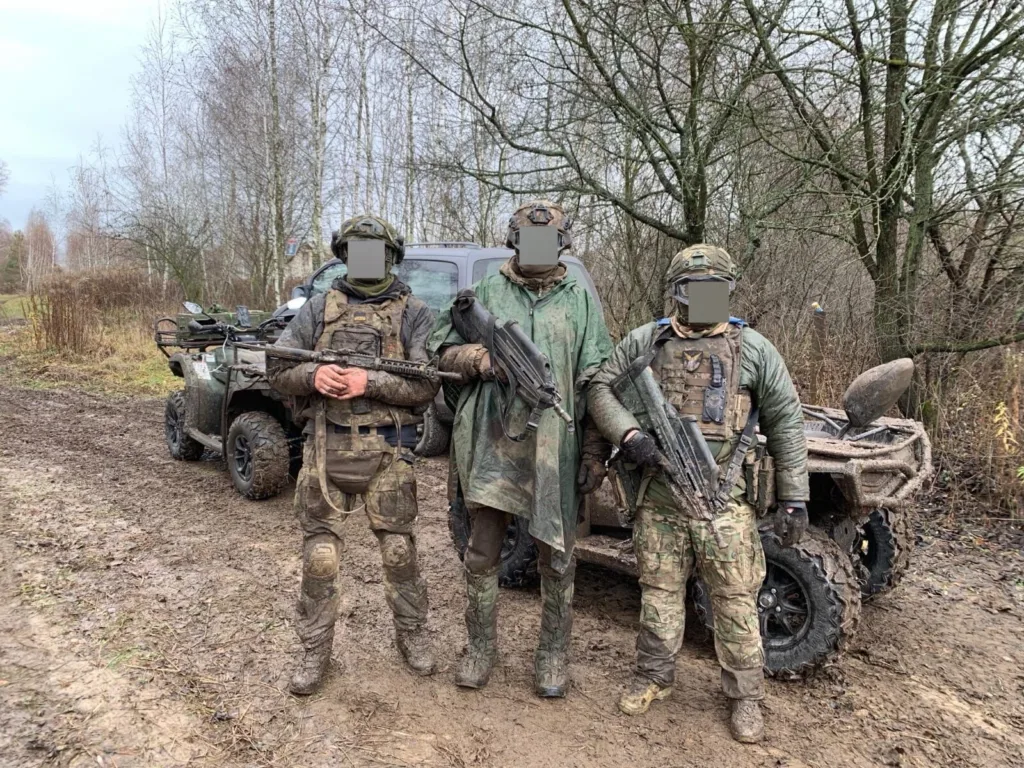
In winter, thawing ground and constant traffic quickly turn fields and tracks into deep, black, adhesive mud, making even short distances nearly impassable for ordinary vehicles. Ukrainian mud is notorious for immobilising even heavy armoured vehicles. Under these conditions, the message from soldiers and commanders is clear: more vehicles and more drones of all types are essential to enhance mobility, sustain operations and save lives.
In a landscape constantly reshaped by artillery damage and seasonal changes, ATVs have proven to be among the most reliable solutions for long-distance movement, often up to 50 kilometres one way. Frontline feedback shows that ATVs can complete multiple supply runs across mixed terrain, while pickup trucks are more visible to the enemy and often unable to reach the same positions.
ATVs are used by nearly all types of frontline units for logistics, including transporting ammunition, weapons, food, water and evacuating wounded soldiers. They are also essential for rotating personnel to and from forward positions, reducing fatigue and exposure. For medical units, ATVs are critical for reaching wounded soldiers quickly, stabilising them on site and transporting them for further treatment.
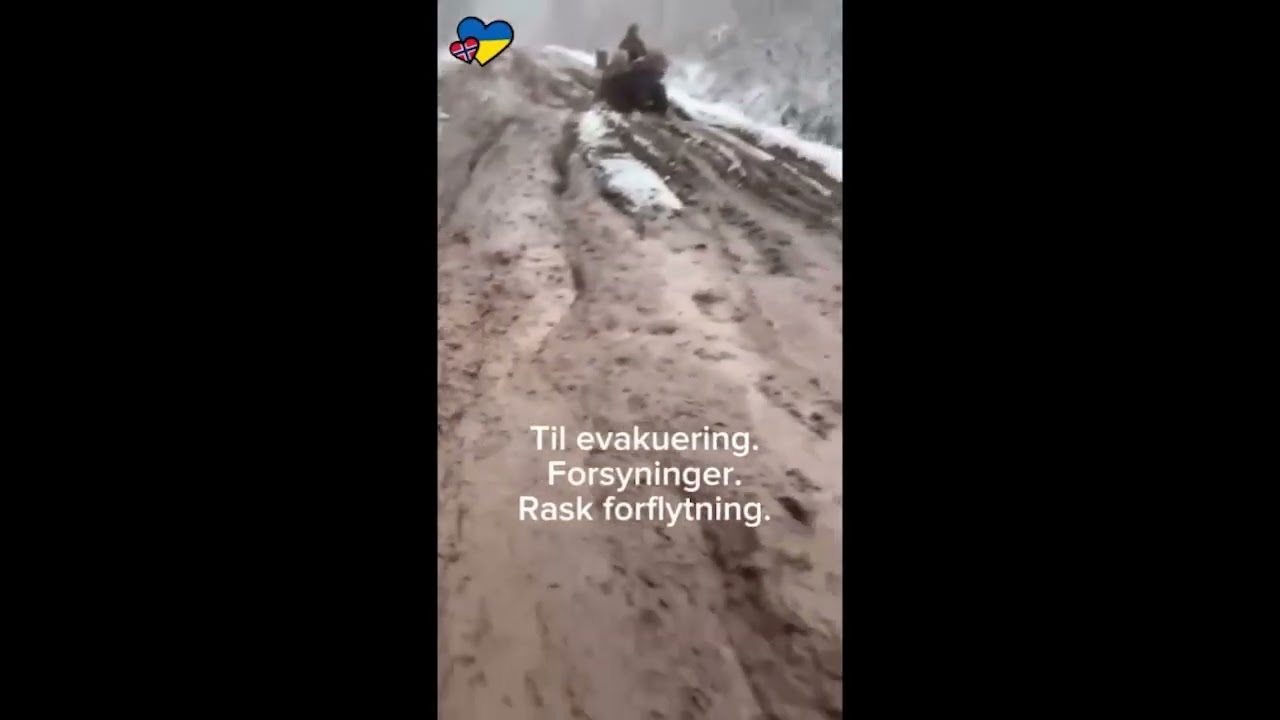
Evacuation, logistics, and saving lives under fire
The vehicles delivered by Fritt Ukraina are brand-new ATVs equipped with 976 cubic centimetre engines and 88.4 horsepower. A powerful engine is essential for mobility in mud and challenging conditions, making these vehicles well suited for demanding frontline operations. Their open design is also a critical safety factor.

“When drones attack, soldiers can quickly leave the ATV and scatter in different directions. This flexibility saves lives,” says Taras.
“These ATVs fill a critical niche at the front,” says a commander from the 93rd Brigade, Kholodnyi Yar. “They are difficult to detect because they are much smaller than cars. While moving, we maintain visual control of the sky, can react immediately to threats, and prepare for drone or artillery attacks. Right now, there is an acute shortage of ATVs. Many of the vehicles we have are old, spare parts are impossible to find, and the fleet must be renewed. With winter approaching, ATVs are particularly well suited, they have better mobility than cars. The more ATVs we have, the better we can carry out evacuations and respond to urgent needs at frontline positions.”
Avoiding roads in a mined battlefield
Another key advantage is the ability to avoid roads altogether.
“Roads are dangerous, because the enemy often lays mines there,” Taras explains.
During winter and early spring, this becomes even more important. Muddy roads not only slow movement but also force vehicles into predictable routes that increase the risk of ambush and mine strikes. By using paths that avoid established roads, units reduce the risk of explosive devices while maintaining essential mobility.
Infantry units, special operations forces and intelligence units have a particularly high demand for ATVs, while tank and artillery units usually operate further behind the front line. In some cases, units pre-position an ATV close to frontline “red zone” positions to enable rapid evacuation of wounded personnel under fire.

Operations under extreme risk
Casualties are heavy. Even if Russian losses may be several times higher than Ukrainian losses, the toll on Ukrainian soldiers remains severe. One reason for this disparity is the contrasting value placed on soldiers’ lives: Ukraine strives to protect every soldier, whereas Russian troops are often treated as expendable.
“Fritt Ukraina supports close partners conducting combat missions, rotations and logistical operations using FU-provided ATVs in the forests of the Sumy region. These missions are carried out under constant threat and involve extreme risk. The situation in eastern Ukraine is currently extremely critical,” Natalia Golis says.

A growing need that must be met
Despite a substantial number of deliveries, the demand for ATVs continues to rise. More dispersed frontline positions, increased drone activity and constant manoeuvring place heavy logistical pressure on units operating far from secure infrastructure. Under these conditions, every new ATV directly strengthens a unit’s ability to move, respond and save lives.
We returned home from Sumy convinced that Ukraine’s defenders need more ATVs. More of everything, but right now, ATVs are high on the list. To save lives. Yet even with improved mobility, survival is never guaranteed.
Just one week after we returned, the unit we visited lost a close colleague and friend. He was driving an ATV in the field when he passed a fibre-optic drone the Russians had flown in. It lay waiting. The sensor detected movement, and the mine exploded.
Fritt Ukraina will continue to prioritise mobility support in close coordination with frontline units. Continued contributions are essential to meet growing and urgent needs. For Ukraine’s defenders, ATVs are not a convenience – they are a lifeline.
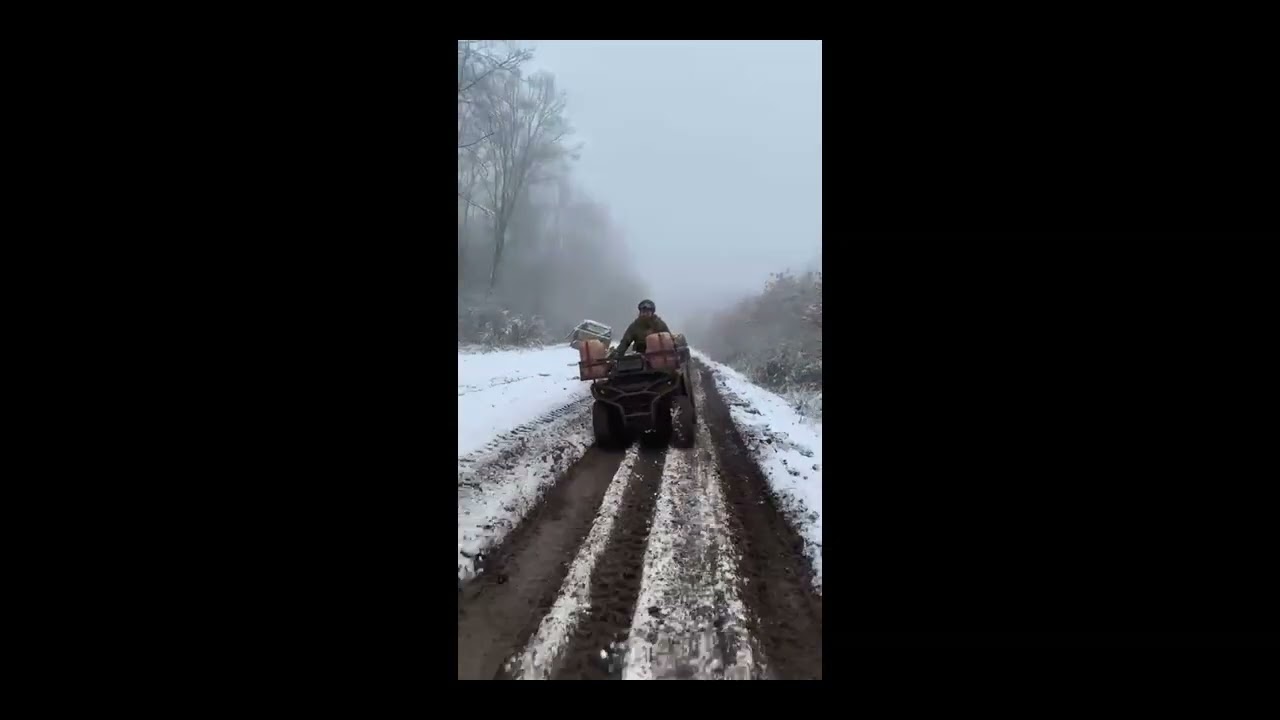
ATV deliveries to frontline units
A significant number of ATVs have been delivered to military units at the front line in Ukraine through contributions from Fritt Ukraina and partner organizations.
The deliveries have been made to several operational units with high mobility needs, including the 93rd Black Raven, 47th Magura, and 129th Separate Heavy Mechanized Brigade (SOF Battalion “Tooth”), as well as the 4th Brigade (Rubizh) and 80th Brigade.
You can help save lives by supporting this work.