
- Dette innlegget er også tilgjengelig på norsk.
Through the “Odin’s Ravens” project, Ukrainian military pilots and aircrews have received enhanced safety support. Fritt Ukraina has financed a comprehensive delivery of vehicles and rescue equipment for Combat Search and Rescue (CSAR) missions following helicopter and aircraft crashes. The project has been implemented by the Ukrainian organization Come Back Alive and fully funded by Fritt Ukraina.
The equipment allows rescue teams to operate quickly and safely in areas with active enemy air defenses, where conventional rescue helicopters cannot be used.

The total value of this delivery is 28,486,552 UAH, equal to more than 8 million NOK.
A total of 14 Norwegian donors contributed to the project, including major donations from the Hans Herman Horn Foundation, CentraGruppen, and the Nergaard family. This delivery marks the first time in Come Back Alive’s history that an entire project has been realized exclusively with funding from foreign partners.
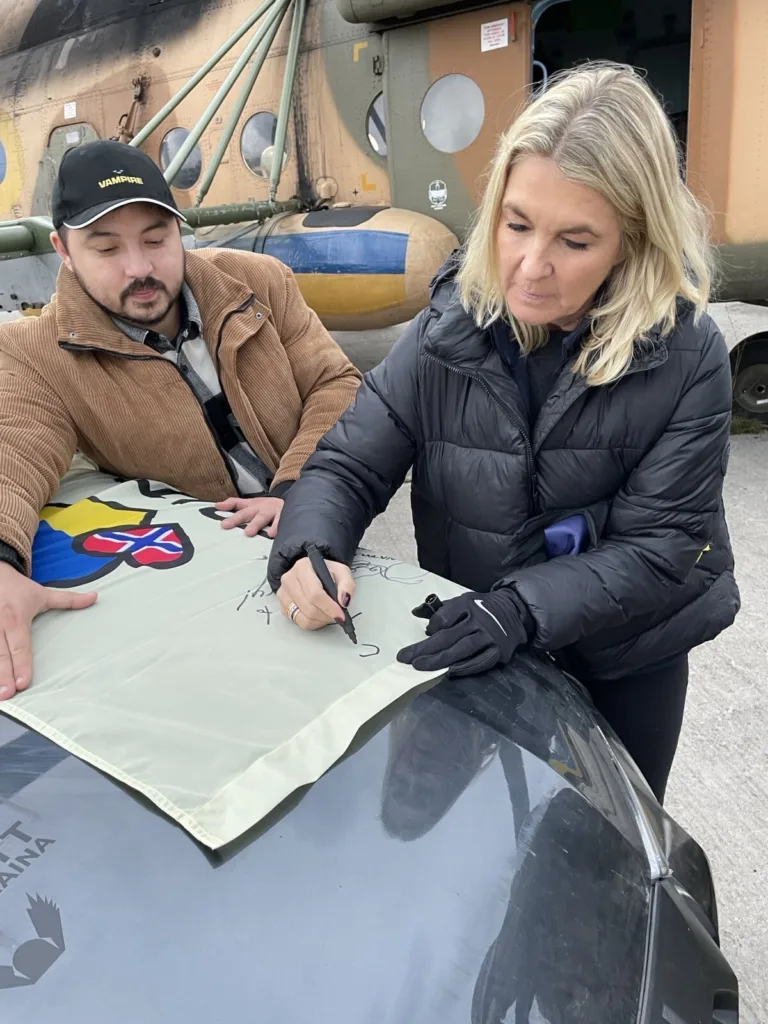
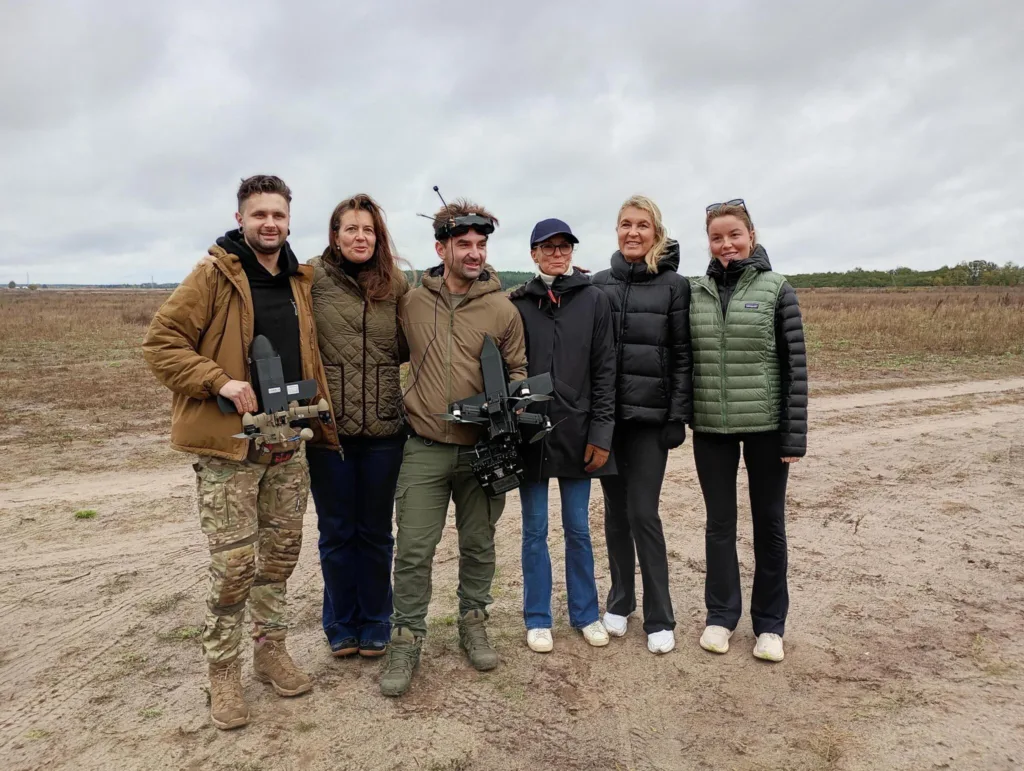
Nini and Caroline Nergaard and Caroline’s daughter Ellen joined the transport and drove vehicles to Ukraine themselves.
“It has been very special to see how skilled the units are at taking care of their own, rescuing the injured, and, of course, preventing injuries,” says Nini.
“What made the strongest impression, and what feels most important, is showing our support. It becomes a person-to-person encounter. They appreciate that we come and spend time and money, but above all the moral support,” says Caroline.
“One of the things that truly stays with me is how individuals rise to the occasion and achieve exceptional things,” Nini adds.
CSAR in conflict: a demanding operational environment
Within military search and rescue—often referred to as Combat Search and Rescue (CSAR)—the objective is to locate, assist, and evacuate downed pilots or aircrews in hostile territory under threat from enemy fire or air defenses.
In Ukraine, neither side controls the airspace. Rescue operations may therefore be required on Ukrainian-held territory, in the “grey zone,” or inside Russian-occupied areas.
There are several reasons why rescuing pilots is critically important. They possess unique skills acquired through demanding and costly training, and if captured, they can be used as “trophies” in Russian propaganda. Because a shoot-down attracts significant attention, a CSAR mission must be launched immediately to secure the pilot and prevent Russian forces from taking control of the situation.

Typical CSAR characteristics include rapid reaction, integrated operations involving intelligence, air support, transport, and extraction—often behind enemy lines—and high risk for the rescue teams themselves.
When a helicopter is shot down or crashes in combat, Russian air defenses often make it impossible to use rescue helicopters. As a result, ground teams must deploy using flexible, well-equipped vehicles to locate and evacuate aircrew—a substitute for traditional CSAR in such high-risk environments.
Each combat flight is supported by a dedicated rescue team on standby. Pilots know that a rescue team is waiting in their operational area. If something goes wrong, help is nearby, explains a representative of the Army Aviation Command.
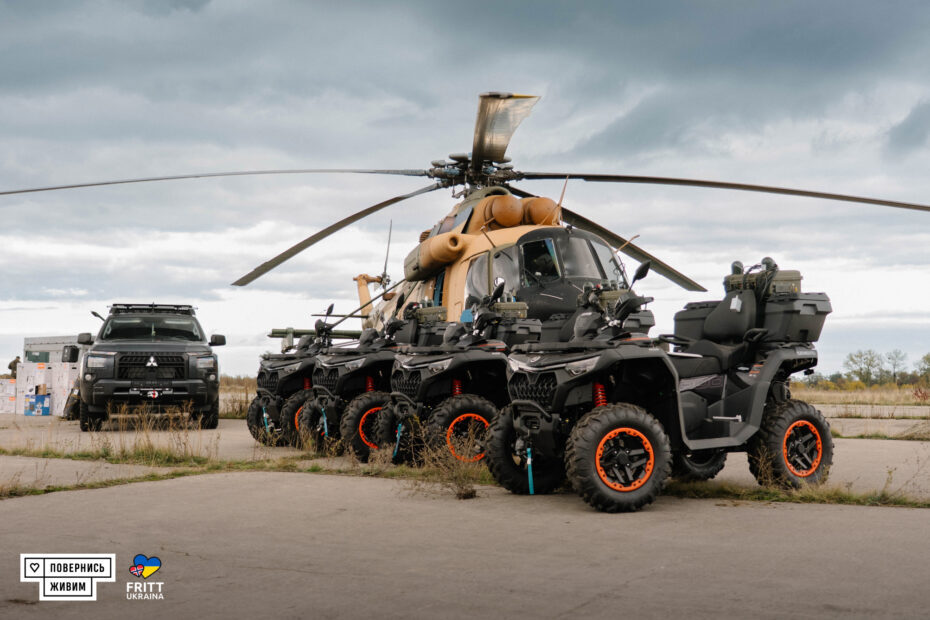
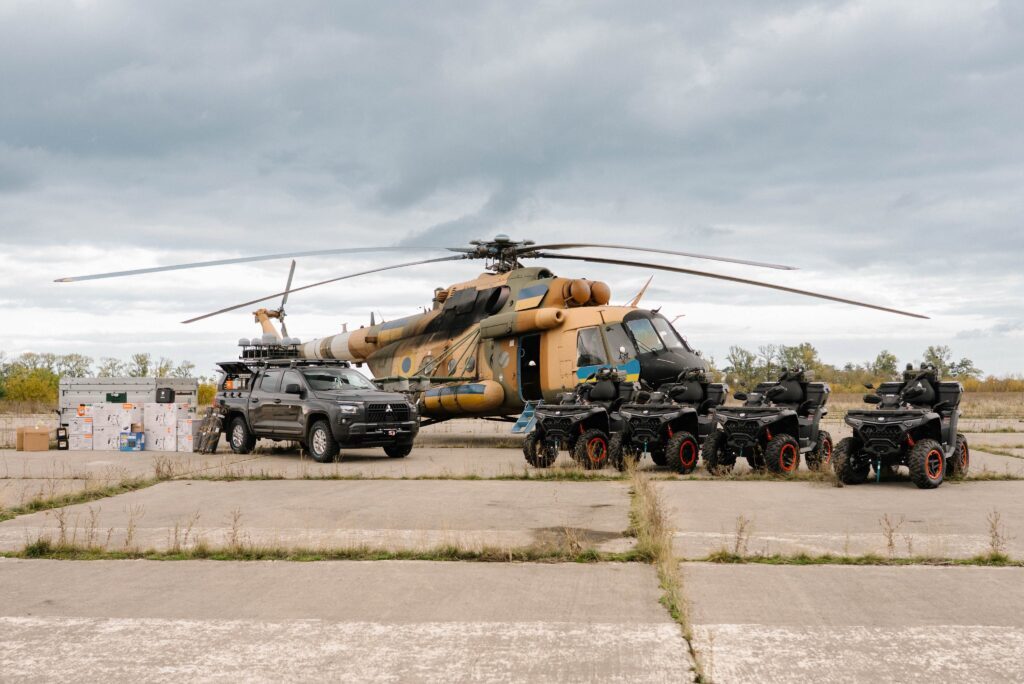
A ground team mirrors the helicopter’s route. Along this route, a pickup with equipment is positioned, and where the terrain becomes too difficult for vehicles, ATVs are used.
Ground-based rescue capability
Through “Odin’s Ravens,” Ukrainian forces now have a new ground-based rescue system with vehicles and equipment that are robust, flexible, and fully outfitted for demanding front-line CSAR missions.
The delivery equips all four brigades, as well as the central CSAR service, and includes:
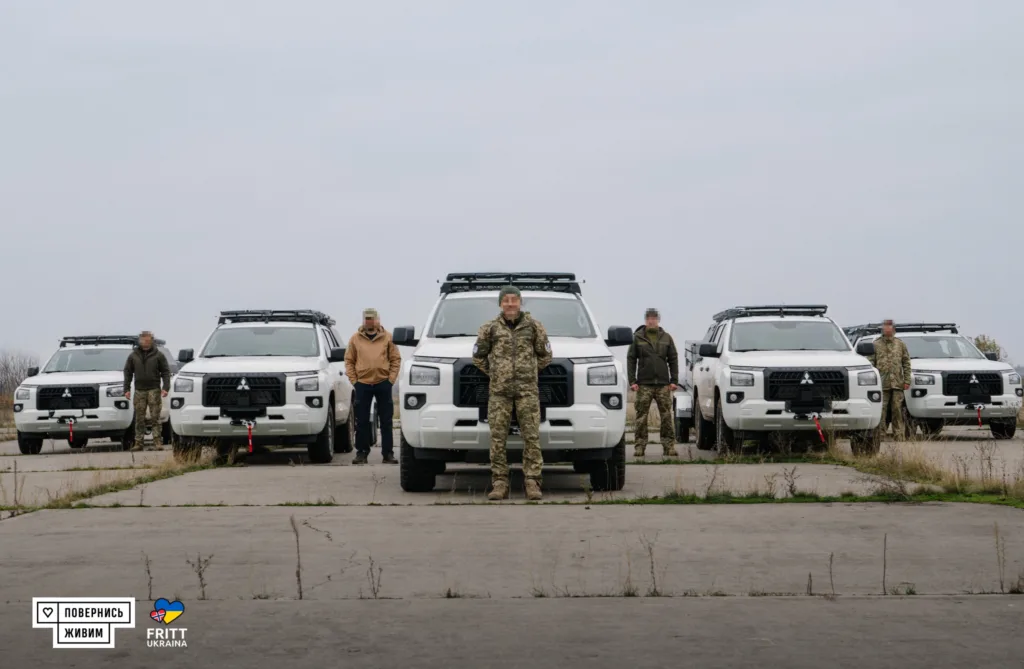
- 9 modified pickups with trailers
- 4 ATVs transportable by Mi-8 helicopters
- 9 drones with external antennas
- Thermal cameras, electronic countermeasures (REB/RER)
- Starlink terminals, backup power, firefighting tools, equipment, and medical kits
With this, rescue teams have everything needed to deploy quickly, locate crew, and evacuate pilots and aircrews more safely—even in areas under active enemy fire.
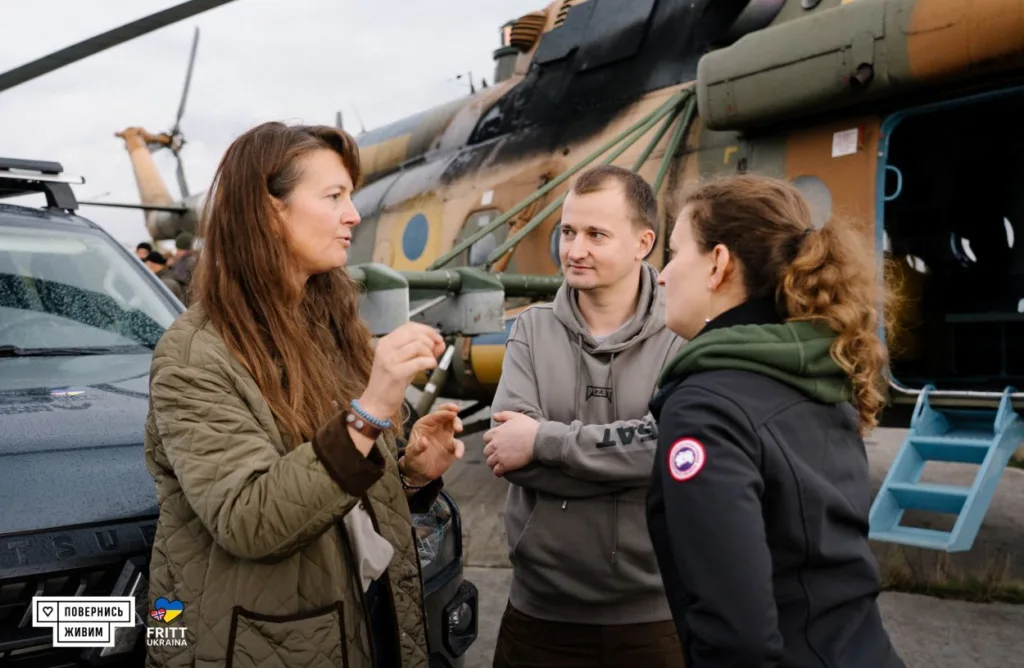
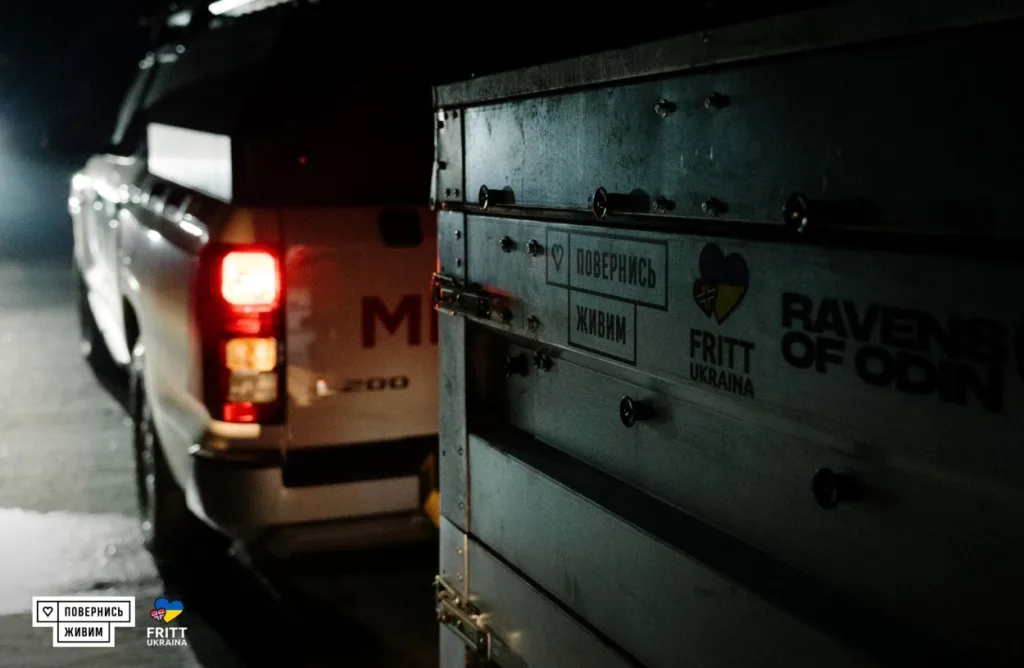
The vehicles are Mitsubishi L200 pickups specially rebuilt for the mission.
They feature reinforced fronts, additional protection, and winch mounts with synthetic rope. The engine, gearbox, radiator, and fuel tank are protected by metal plates, and there are custom-built storage compartments for axes, crowbars, and hammers. The roof carries mounts for Starlink terminals, drone detectors, and spare wheels.
“Everything has its fixed place. It’s about safety and working quickly,” says Dmytro Lavryk from Come Back Alive.
The vehicles include Ukrainian-made trailers capable of transporting both equipment and ATVs. The trailers are modular and can be adapted quickly to different tasks. The ATVs are delivered directly from the manufacturer with additional storage for tools and equipment used at crash sites.
The equipment also includes firefighting gear, electric tools, and reconnaissance drones.
“You cannot extinguish a helicopter, but you can stop the flames and save the person,” says a representative of the Aviation Command.
A project inspired by Ukrainian generosity
According to Come Back Alive, the initiative was inspired by the strong engagement of Ukrainian donors.
“For our Norwegian partners, it is not just about donating, but about doubling the effort together with Ukrainian society,” the organization writes.
The name “Odin’s Ravens” refers to Hugin and Munin from Norse mythology, who flew out to gather information and return it to the god Odin. The name symbolizes vigilance, knowledge, and the ability to act quickly—qualities essential to CSAR operations.
The project illustrates how Norwegian funding, through Fritt Ukraina, strengthens critical military rescue capacity and enables Ukrainian forces to save personnel in some of the war’s most demanding situations.
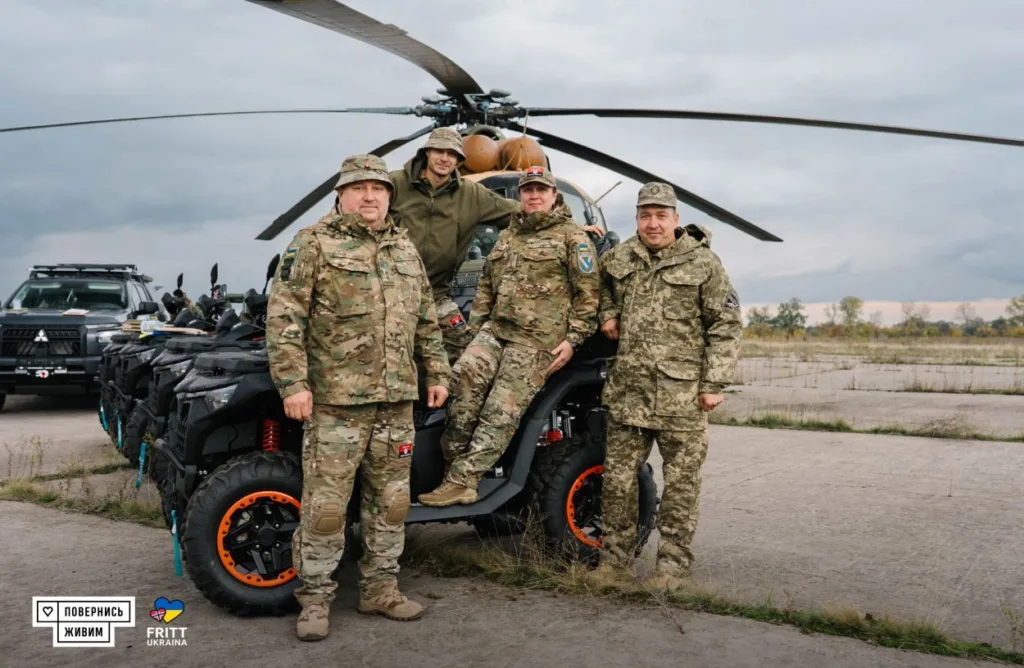
All equipment delivered has been field-tested and selected based on operational experience. It includes not only vehicles but also electronic warfare equipment, communications solutions, and specialized tools. In an environment dominated by enemy drones and air threats, Ukrainian rescue forces are developing new CSAR methods.
“Odin’s Ravens” is a major joint project with Ukrainian partners. Previously, the partnership has included initiatives in electronic warfare and deliveries of vehicles and drones for unmanned systems units.
Photos from the handover
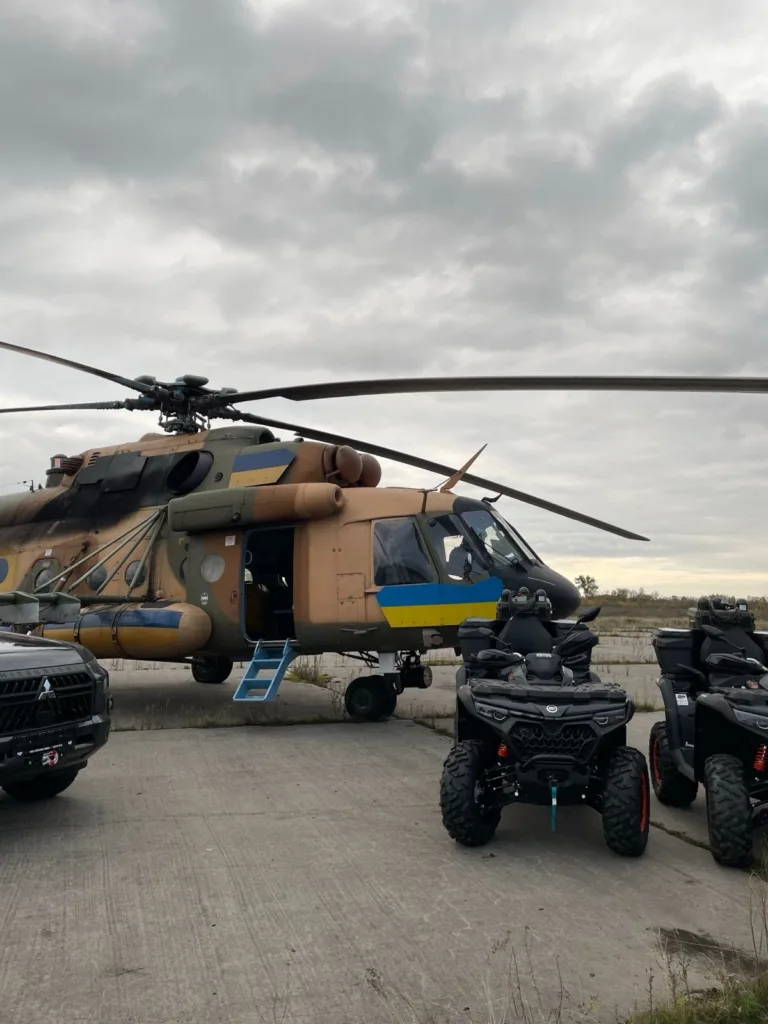
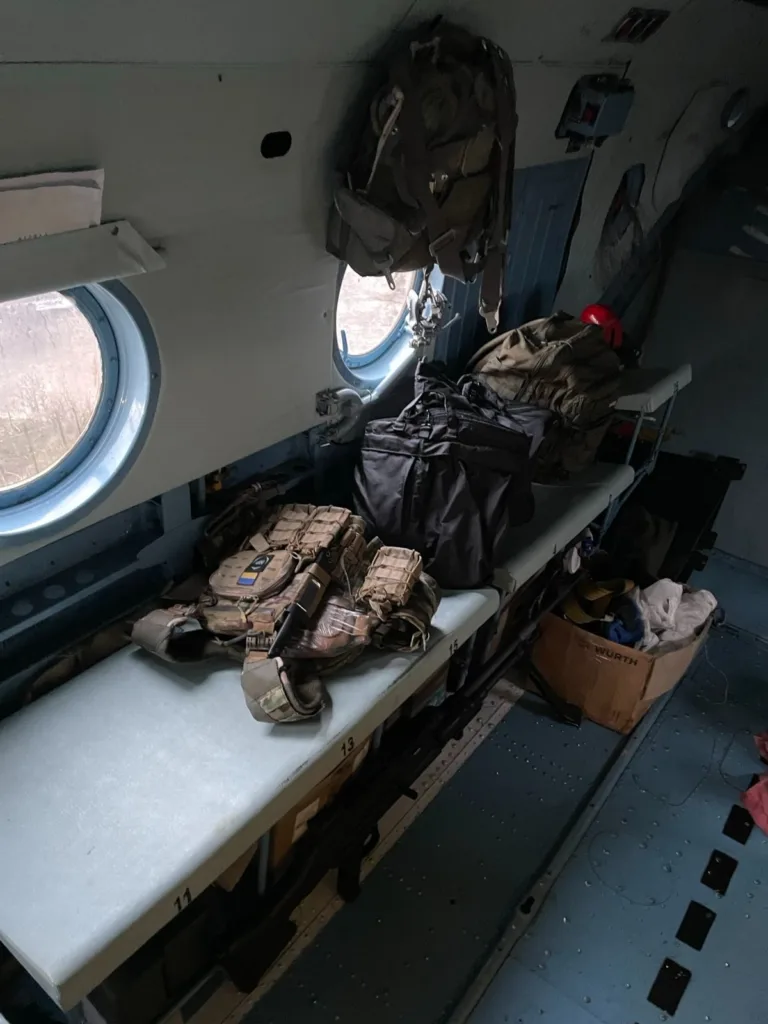
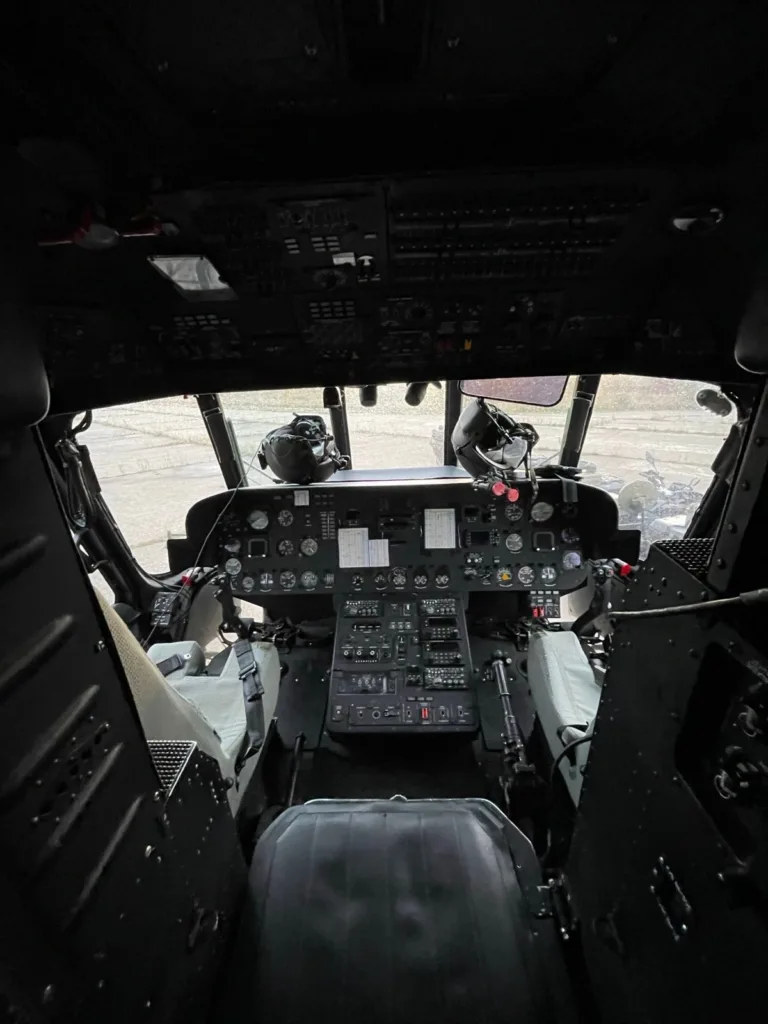

Photo: Fritt Ukraina